Aluminum round bars are a cornerstone material in numerous industries, celebrated for their lightweight, strength, and corrosion resistance. These attributes make them highly versatile, enabling their use in applications ranging from construction to aerospace. This article explores the diverse applications of aluminum round bars, highlighting their advantages, industry-specific uses, and real-world examples.
Understanding Aluminum Round Bars
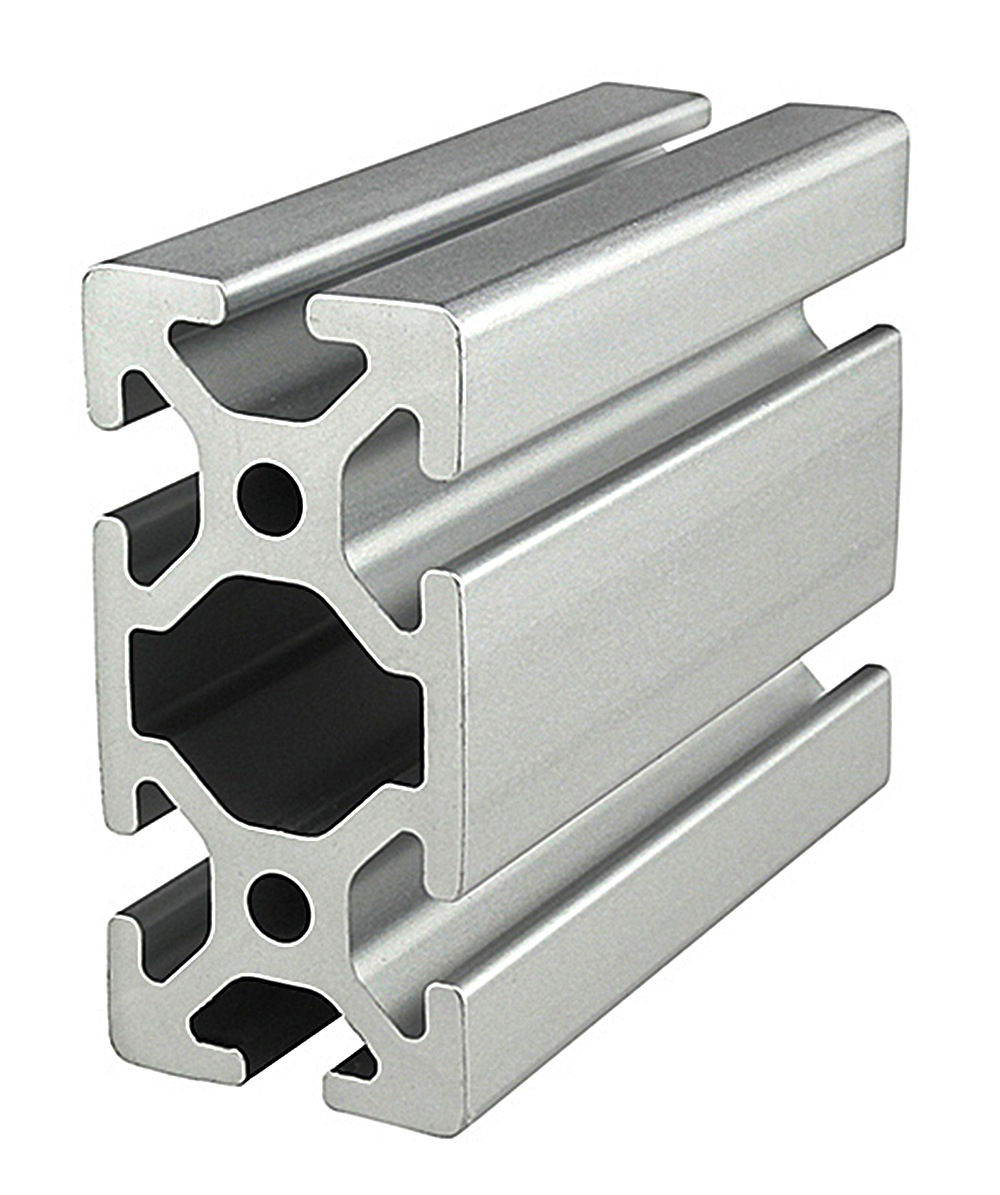
Aluminum round bars are cylindrical rods made from aluminum alloys. They come in various diameters and lengths, often being extruded or drawn to meet specific dimensional requirements. The properties of aluminum, such as its high strength-to-weight ratio, malleability, and resistance to oxidation, enhance the performance of these round bars across different applications.
Key Advantages of Aluminum Round Bars
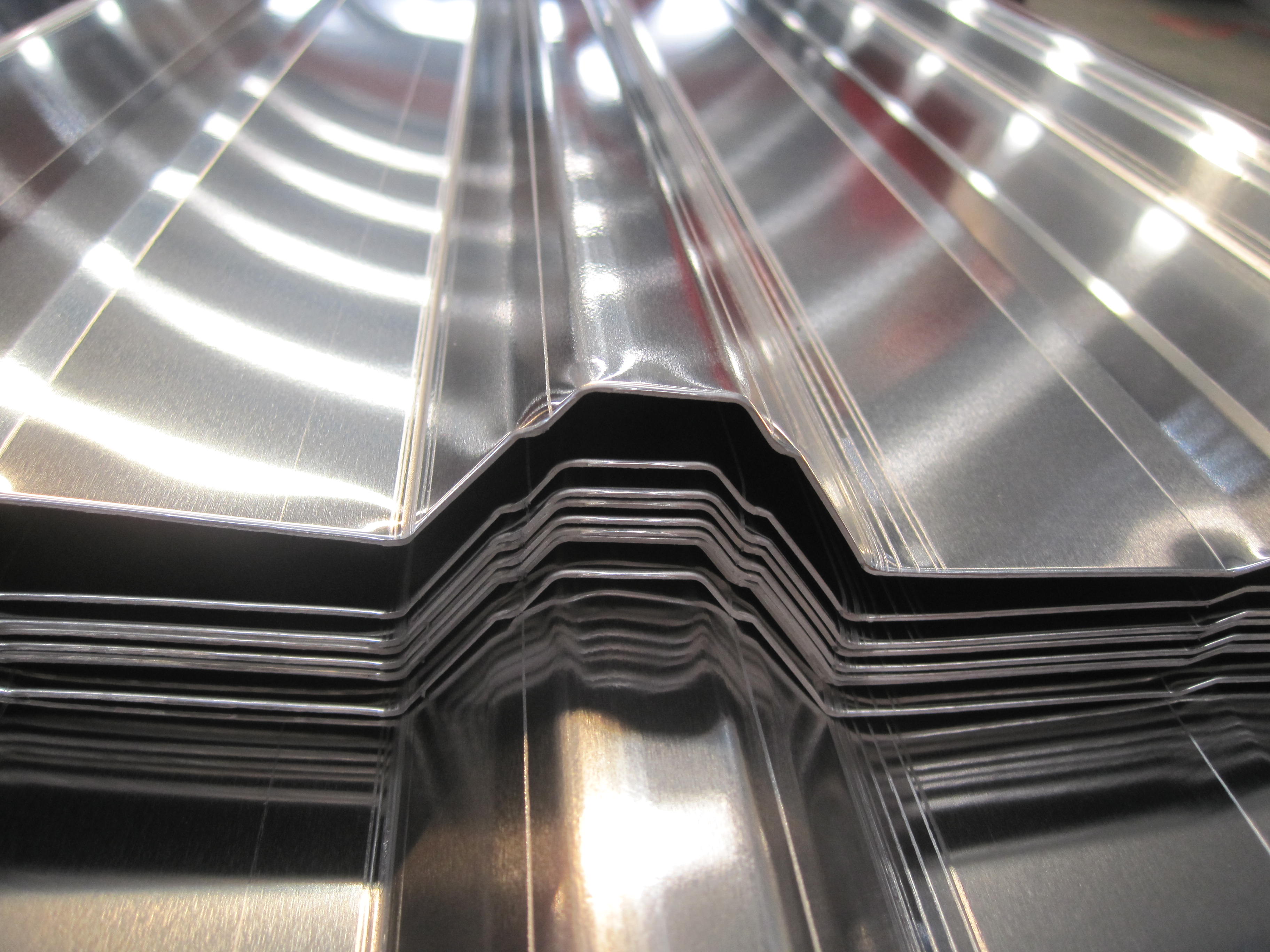
The appeal of aluminum round bars stems from several key advantages:
- Lightweight: Aluminum is significantly lighter than other metals like steel, making it easier to handle and transport.
- Corrosion Resistance: The natural oxide layer that forms on aluminum provides excellent resistance to corrosion, extending the lifespan of components.
- High Strength-to-Weight Ratio: Aluminum round bars maintain structural integrity while being lighter than many other materials.
- Malleability and Ductility: Aluminum can be easily shaped and formed into different profiles without losing its mechanical properties.
- Recyclability: Aluminum is 100% recyclable, making it an environmentally friendly choice for manufacturers.
Applications in the Aerospace Industry
The aerospace industry relies heavily on aluminum round bars due to their lightweight and strength properties. These bars are commonly used in:
- Aircraft Components: Structural components, such as wing spars and fuselage frames, often utilize aluminum round bars to reduce overall weight without compromising strength.
- Landing Gear: Aluminum round bars are used in the manufacturing of landing gear components, providing both strength and lightweight benefits.
- Engine Parts: Various engine components use aluminum round bars due to their ability to withstand high temperatures and stress while remaining lightweight.
Case Study: Boeing’s 787 Dreamliner incorporates aluminum round bars in its airframe, contributing to a 20% reduction in weight compared to previous models. This weight reduction translates to improved fuel efficiency and increased payload capacity.
Construction and Architectural Applications
In the construction industry, aluminum round bars serve various purposes, such as:
- Reinforcement: Aluminum round bars are used as reinforcement bars in concrete structures, providing additional strength and stability.
- Handrails and Railings: Their corrosion resistance makes them ideal for outdoor railings, ensuring durability and aesthetic appeal.
- Structural Components: Aluminum round bars are frequently used in scaffolding and framework for buildings due to their lightweight and strength.
Example: The use of aluminum round bars in the construction of the One World Trade Center in New York City demonstrates their effectiveness in providing structural integrity while reducing overall weight.
Automotive Industry Applications
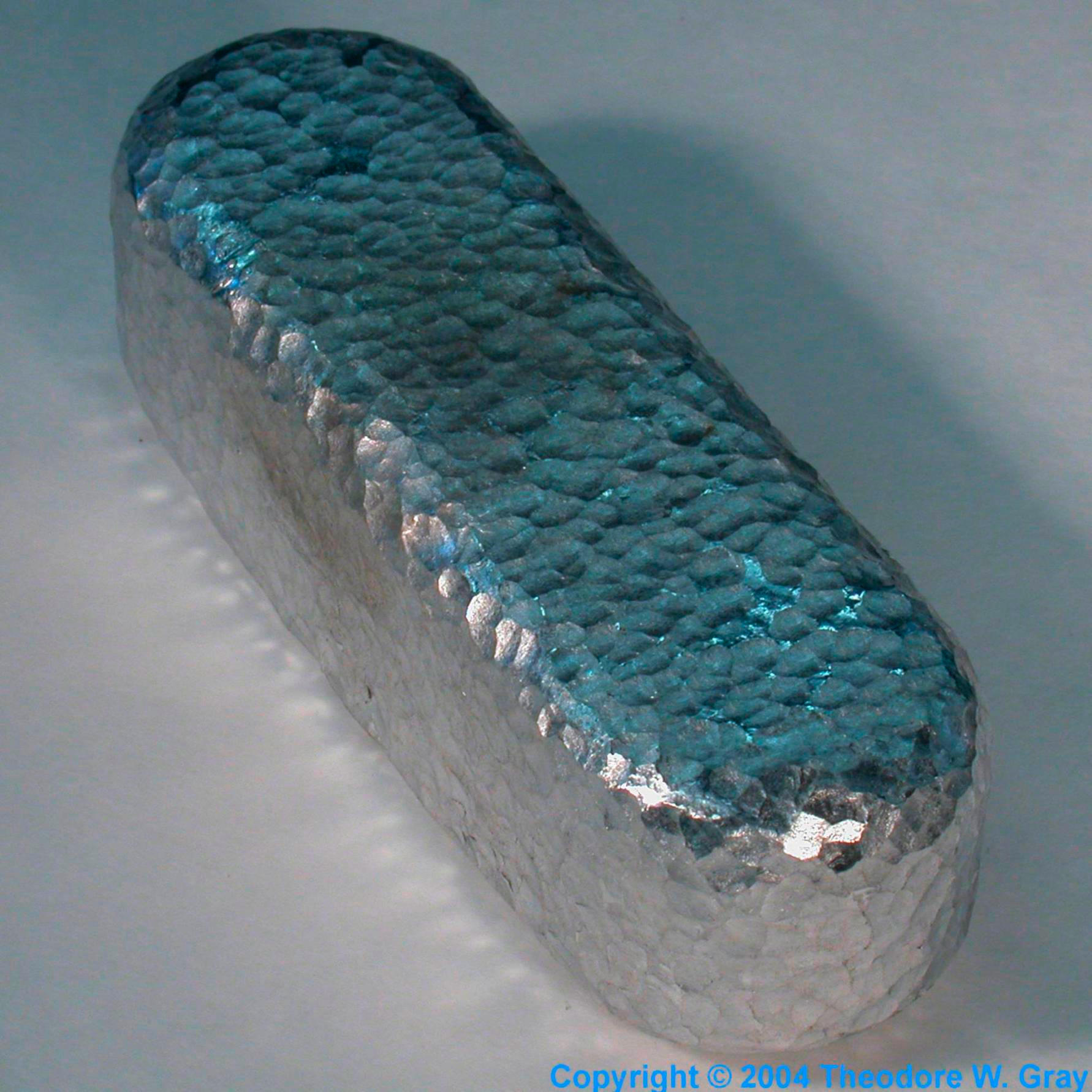
The automotive industry has increasingly adopted aluminum round bars for various applications, including:
- Framework and Chassis: Many modern vehicles utilize aluminum round bars in their chassis for improved fuel efficiency.
- Engine Components: Aluminum is favored for engine parts due to its lightweight properties, which contribute to better performance.
- Suspension Systems: The use of aluminum round bars in suspension components enhances vehicle handling and ride quality.
Statistic: According to the Aluminum Association, the average aluminum content in vehicles has increased by over 400% since the 1970s, highlighting the growing trend of using aluminum round bars in automotive manufacturing.
Marine Industry Applications

The marine industry benefits from aluminum round bars in several ways:
- Boat Frames: The lightweight nature of aluminum makes it ideal for boat frames, improving speed and fuel efficiency.
- Propeller Shafts: Aluminum round bars are used in the production of propeller shafts, providing strength and resistance to corrosion.
- Deck Hardware: Various deck fittings and hardware components utilize aluminum round bars for their durability in harsh marine environments.
Example: Many high-performance racing yachts use aluminum round bars to construct their masts and rigging, which contribute to reduced weight and improved sailing performance.
Industrial and Manufacturing Applications
In industrial and manufacturing settings, aluminum round bars find a multitude of uses:
- Machinery Parts: Used in the construction of various machinery components due to their strength and lightweight nature.
- Fasteners and Connectors: Aluminum round bars are often machined into fasteners, providing lightweight alternatives to steel.
- Tooling: Many tooling applications utilize aluminum round bars for their ease of machining and resistance to wear.
Statistic: According to a report by MarketsandMarkets, the global aluminum market in manufacturing is projected to reach over $200 billion by 2025, driven in part by the versatility of materials like aluminum round bars.
The Future of Aluminum Round Bars in Industry
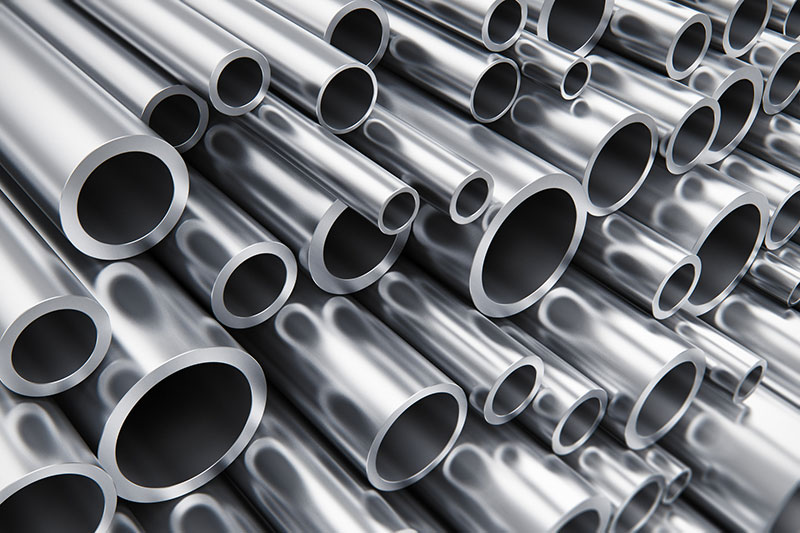
Aluminum round bars have proven to be indispensable across a variety of industries due to their unique properties and versatility. From aerospace to automotive, construction to marine applications, these materials facilitate innovative solutions while meeting the demands for efficiency and sustainability.
The ongoing advancements in aluminum alloys and manufacturing techniques will likely expand the applications of aluminum round bars even further. As industries continue to prioritize lightweight materials that do not compromise strength or safety, the future of aluminum round bars looks bright.
In summary, the key takeaways regarding aluminum round bars include:
- They offer a unique combination of lightweight, strength, and corrosion resistance.
- Their applications span multiple industries, including aerospace, construction, automotive, marine, and manufacturing.
- Real-world examples and statistics underscore their importance in modern manufacturing and engineering.
As we move toward a future that emphasizes sustainability and efficiency, aluminum round bars will undoubtedly continue to play a pivotal role in shaping the materials landscape of various industries.