Portable cutting torches are invaluable tools in various industries, including construction, metalworking, and automotive repair. They are designed to cut through metal with precision and efficiency. However, the use of these torches also comes with significant risks, including burns, explosions, and eye injuries. This article offers safety tips to ensure you use a portable cutting torch effectively while minimizing risks.
Understanding the Basics of a Portable Cutting Torch

Before delving into safety tips, it’s essential to understand what a portable cutting torch is. A cutting torch uses a combination of fuel gas (like acetylene) and oxygen to create a high-temperature flame capable of melting metal. It is commonly used for cutting, welding, and brazing tasks. Misuse or improper handling can lead to serious accidents.
Essential Safety Gear

Wearing the appropriate personal protective equipment (PPE) is critical when operating a cutting torch. The right gear can help protect you from the flames, sparks, and harmful gases produced during the cutting process. Here are the essential items:
- Flame-Resistant Clothing: Wear long-sleeve shirts and pants made from flame-resistant materials to protect your skin from burns.
- Safety Goggles: Use goggles that meet ANSI Z87.1 standards to protect your eyes from bright light and flying debris.
- Face Shield: A face shield can provide additional protection for your face and neck from sparks and heat.
- Gloves: Wear heat-resistant gloves to protect your hands from burns and cuts.
- Steel-Toed Boots: Protect your feet from heavy objects and sharp debris.
Preparing the Work Area

Creating a safe work environment is crucial when using a cutting torch. A well-prepared area can significantly reduce the risk of accidents. Here are some tips for preparing your workspace:
- Clear the Area: Remove any flammable materials, such as wood, paper, or chemicals, from the vicinity of the cutting operation.
- Ventilation: Ensure that the workspace is well-ventilated to disperse harmful gases and fumes produced during cutting.
- Fire Extinguisher: Keep a suitable fire extinguisher nearby, and ensure it is easily accessible in case of an emergency.
- Lighting: Ensure that the work area is well-lit to minimize the risk of accidents due to poor visibility.
Proper Equipment Setup
Setting up your cutting torch correctly is vital for safe operation. Follow these steps to ensure your equipment is ready for use:
- Check for Leaks: Before igniting the torch, check for gas leaks by applying a soapy water solution to the hoses and connections. Bubbles indicate a leak that must be fixed before proceeding.
- Secure Connections: Ensure that all connections are tight and secure to prevent gas leaks during operation.
- Set Pressure Correctly: Adjust the pressure settings on the regulator according to the manufacturer’s recommendations for the type of cutting being performed.
- Use the Right Tip: Select the appropriate cutting tip for the thickness of the metal you are working with to ensure efficient cutting.
Safe Operating Procedures

When operating a portable cutting torch, follow these safe operating procedures to prevent accidents:
- Ignition: Use a flint lighter or striker to ignite the torch. Never use matches or lighters, as they can be dangerous in the presence of gas.
- Control the Flame: Always use the minimum flame size necessary for the task. A larger flame increases the risk of accidents.
- Maintain a Safe Distance: Keep your body and any flammable materials at a safe distance from the flame.
- Monitor the Work: Continuously monitor the cutting process and be prepared to shut off the torch if necessary.
- Extinguish Properly: After use, turn off the oxygen and then the fuel gas to extinguish the flame completely.
Emergency Preparedness

Even with the best precautions, accidents can happen. Being prepared for emergencies is vital. Here are some actions you can take:
- Know Emergency Procedures: Familiarize yourself with emergency procedures, including how to use a fire extinguisher and how to evacuate the area.
- Have First Aid Ready: Keep a well-stocked first aid kit nearby, including burn ointment and dressings.
- Report Accidents: If an accident occurs, report it immediately to your supervisor or safety officer, and document the incident as required.
Case Studies and Statistics
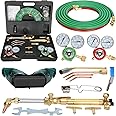
To underscore the importance of safety when using a portable cutting torch, consider the following statistics and case studies:
- Statistics: According to the National Fire Protection Association (NFPA), approximately 16,000 structure fires were reported in the U.S. in 2020 due to welding and cutting operations, resulting in over $300 million in property damage.
- Case Study: In 2019, a metal fabrication shop experienced a fire caused by improperly discarded materials after using a cutting torch. The incident resulted in significant property loss and injury to two workers. Proper safety protocols could have prevented this disaster.
Using a portable cutting torch can be an effective way to cut and shape metal for various applications, but it is not without its risks. By following essential safety tips—such as wearing appropriate protective gear, preparing the work area, setting up equipment correctly, adhering to safe operating procedures, and being prepared for emergencies—you can significantly minimize the risks associated with torch cutting.
Remember, safety should always be your top priority. By cultivating a culture of safety and adhering to best practices, you can ensure that you and your coworkers remain safe while effectively using portable cutting torches. Whether you are a seasoned professional or a novice, these insights can enhance your operational safety and efficiency.