Vitamin E is a fat-soluble antioxidant that plays a crucial role in maintaining immune function and overall health. Among its various forms, alpha-tocopherol is the most biologically active and commonly studied. In recent years, the importance of vitamin E in enhancing immune response, particularly at a dosage of 200 IU, has garnered significant attention from researchers and health professionals alike. This article explores the mechanisms through which vitamin E supports the immune system, its benefits, and practical considerations for its use.
Understanding Vitamin E
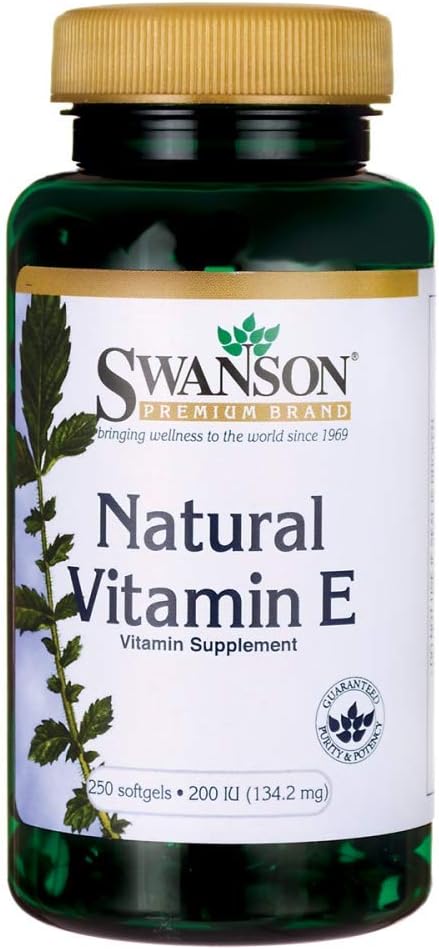
Vitamin E encompasses a group of compounds known as tocopherols and tocotrienols. The primary focus of most studies on immune function is alpha-tocopherol. This vitamin is abundant in various foods, including nuts, seeds, and green leafy vegetables. It acts as an antioxidant, neutralizing free radicals that can cause cellular damage and contribute to chronic diseases.
The Immune System: A Brief Overview
The immune system is the body’s defense mechanism against pathogens, including bacteria, viruses, and fungi. It comprises various cells and organs that work together to identify and eliminate invaders. Key components of the immune system include:
- White Blood Cells: These cells, including lymphocytes and phagocytes, play a critical role in identifying and destroying pathogens.
- Antibodies: Proteins produced by B-cells that specifically target and neutralize pathogens.
- Complement System: A group of proteins that enhance the ability of antibodies and phagocytic cells to clear microbes and damaged cells.
A well-functioning immune system is essential for maintaining health and preventing infections. Factors such as age, diet, and lifestyle can significantly influence immune function.
How Vitamin E Enhances Immune Function

Vitamin E plays several vital roles in supporting immune function. Here are some of the ways it contributes to a robust immune response:
- Antioxidant Protection: By neutralizing free radicals, vitamin E helps protect immune cells from oxidative stress, which can impair their function.
- T Cell Function: T cells are essential for cell-mediated immunity, and studies have shown that vitamin E can enhance the proliferation and activation of these cells.
- Antibody Production: Vitamin E is involved in the production of antibodies, bolstering the body’s ability to fight infections.
- Inhibition of Inflammation: Vitamin E has anti-inflammatory properties that may help regulate the immune response, preventing excessive inflammation that can lead to tissue damage.
Research Findings on Vitamin E and Immune Health

A growing body of research supports the beneficial effects of vitamin E on immune function. Here are some notable studies:
- Study on Elderly Adults: A clinical trial published in the “American Journal of Clinical Nutrition” found that elderly individuals receiving vitamin E supplements showed improved immune responses compared to those who did not. Specifically, the study noted an increase in antibody production after vaccination.
- Animal Studies: Research conducted on mice demonstrated that vitamin E supplementation enhanced T cell response and improved overall immune function, leading to better resistance against infections.
- Inflammation and Infection: A study in the “Journal of Nutrition” suggested that vitamin E reduced the incidence of respiratory infections in older adults, emphasizing its role in enhancing immune defenses.
Recommended Dosage: The 200 IU Mark

The recommended dietary allowance (RDA) for vitamin E varies by age and sex, but for adults, it typically stands at about 15 mg (22.4 IU) per day. However, many studies examining the immune-boosting properties of vitamin E have focused on higher doses, particularly around 200 IU. This dosage is generally considered safe and effective for enhancing immune function without significant risk of toxicity.
It’s important to note that individuals should consult with healthcare providers before starting any supplementation, especially those with pre-existing health conditions or those taking medications that may interact with vitamin E.
Sources of Vitamin E

Incorporating vitamin E-rich foods into your diet is a natural way to enhance your immune function. Some of the best dietary sources of vitamin E include:
- Nuts: Almonds, hazelnuts, and peanuts are particularly high in vitamin E.
- Seeds: Sunflower seeds are among the richest sources of vitamin E.
- Vegetable Oils: Sunflower oil, wheat germ oil, and safflower oil contain significant amounts of vitamin E.
- Green Leafy Vegetables: Spinach, broccoli, and Swiss chard provide a good source of vitamin E.
Case Studies: Real-World Impacts

Several case studies have illustrated the positive impacts of vitamin E supplementation on immune health:
- Case Study 1: An 80-year-old woman with a history of recurrent respiratory infections was put on a regimen of 200 IU of vitamin E daily. Over the following six months, her frequency of infections decreased, and she reported improved energy levels.
- Case Study 2: A group of elderly participants in a randomized controlled trial who received vitamin E supplementation showed a 25% lower incidence of infections compared to the placebo group.
Potential Risks and Considerations
While vitamin E is essential for health, excessive intake can lead to adverse effects, including increased bleeding risk due to its anticoagulant properties. Therefore, moderation is key, and it’s important to follow the recommended dosages. Consider the following:
- Consultation: Always consult with a healthcare provider before starting supplementation, especially if you are on anticoagulant therapy or have underlying health conditions.
- Balanced Diet: Aim to obtain vitamin E from food sources whenever possible, as they provide a balanced profile of nutrients.
Vitamin E, particularly at a dosage of 200 IU, plays a significant role in supporting immune function through its antioxidant properties and ability to enhance T cell responses and antibody production. The evidence from various studies underscores its importance, especially in vulnerable populations such as the elderly. However, it is crucial to approach supplementation with caution and under medical guidance to avoid potential risks.
In summary, integrating vitamin E into your diet can be a beneficial strategy for bolstering your immune health. With a focus on food sources and a clear understanding of dosage, individuals can harness the protective benefits of this essential nutrient. As research continues to evolve, the role of vitamin E in immune support will likely become even clearer, paving the way for more informed health decisions.