The social hierarchy of England, particularly during the medieval and early modern periods, has been characterized by the distinct roles of lords and ladies. This article delves into the intricate power dynamics that defined their relationships, responsibilities, and the broader societal implications of their authority. Through historical context, notable case studies, and analytical exploration, we aim to uncover the layers of power that shaped the lives of the English aristocracy.
The Historical Context: Lords and Ladies in England
To understand the intricacies of power among lords and ladies, it is essential to first grasp the historical context of their roles. The feudal system, which emerged after the Norman Conquest in 1066, established a social order that defined the relationships between monarchs, lords, and their vassals. Lords were granted lands by the king in exchange for military service, while ladies often played crucial roles in managing these estates and their inhabitants.
- Feudal System: A hierarchical system where power derived from land ownership.
- Land Ownership: Lords controlled large estates, while ladies managed household affairs and social responsibilities.
- Military Obligations: Lords had to provide military support to the king, reinforcing their power and influence.
The Power of Lords: Authority and Influence
Lords wielded significant authority during medieval times, with their power often rooted in land ownership and military might. Their influence extended beyond mere governance; they were central figures in shaping local economies, legal systems, and political alliances.
Land Ownership and Economic Power
The ownership of land was synonymous with power in medieval England. Lords could generate wealth through agriculture, trade, and taxes imposed on their tenants. The economic prosperity of a lord significantly influenced their social standing and political clout.
- Tax Collection: Lords had the right to collect taxes from those living on their land.
- Resource Control: Access to resources such as timber, minerals, and fertile land increased a lord’s wealth.
- Economic Dependencies: Peasants depended on lords for protection and land, creating a system of mutual dependency.
Political Power and Alliances

Lords often sought to expand their influence through political alliances, marriage, and strategic partnerships. These relationships were crucial for maintaining power and securing their positions within the aristocracy.
- Marriage Alliances: Marrying into other noble families could consolidate power and secure loyalty.
- Political Maneuvering: Lords often participated in royal courts, influencing decisions that affected their domains.
- Rebellions and Wars: Many lords rose to prominence through military conflicts, asserting their power by challenging the crown.
The Role of Ladies: Influence Behind the Throne
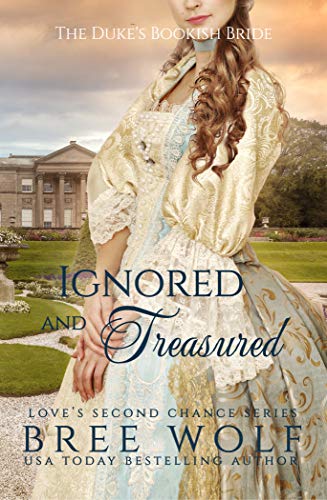
While lords often held overt power, ladies played a critical yet often understated role in the aristocracy. Their influence was felt in various spheres, from managing estates to influencing political decisions.
Estate Management and Household Economics
Ladies frequently managed the day-to-day operations of their estates, overseeing everything from agricultural production to household staff. Their administrative skills were vital in maintaining the economic health of their domains.
- Managing Resources: Ladies were responsible for controlling the household budget and ensuring efficient resource use.
- Social Responsibilities: They organized social events that reinforced their family’s status and relationships with other nobles.
- Education and Training: Ladies educated their children and often their household staff, promoting loyalty and competence.
Political Influence and Soft Power
Though limited in formal political roles, ladies exerted significant influence through their relationships and social networks. They often acted as mediators, using their connections to sway political decisions.
- Advisors to Lords: Ladies could act as trusted advisors to their husbands, providing counsel on various matters.
- Influencing Marriages: Strategic marriages arranged by ladies could strengthen alliances and political power.
- Patrons of the Arts: Ladies often supported artists and intellectuals, shaping cultural narratives that reflected their values.
Case Studies: Notable Lords and Ladies

To illustrate the complex power dynamics between lords and ladies, we can look at several historical figures who exemplified these roles and their impacts on English society.
William the Conqueror and Matilda of Flanders
William the Conqueror, the first Norman king of England, wielded immense power through military conquest and land distribution. His wife, Matilda of Flanders, played a crucial role in solidifying his rule. Matilda was not only a partner in his military campaigns but also a patron of the church, using her influence to promote the establishment of religious institutions that would strengthen their legacy.
Henry VIII and Anne Boleyn

Henry VIII’s tumultuous reign is marked by his marriage to Anne Boleyn, who challenged the traditional power structures of her time. Anne’s ambition and political acumen allowed her to rise from a lady-in-waiting to queen consort, significantly impacting English history through her role in the English Reformation. Her execution, however, underscores the precarious nature of power, where personal ambition could lead to downfall.
Modern Reflections: The Legacy of Lords and Ladies

The historical roles of lords and ladies continue to influence contemporary society in England. While the feudal system has long been dismantled, the legacies of these figures are evident in modern aristocracy and the British monarchy.
Preservation of Heritage
Many noble families maintain their ancestral homes and estates, which serve as tourist attractions and cultural landmarks. This preservation of heritage reflects the lasting impact of their power and influence in shaping English culture.
Philanthropy and Social Responsibility
Modern lords and ladies often engage in philanthropic endeavors, using their resources and influence to address social issues. Their historical roles as patrons have evolved into responsibilities towards community development and social welfare.
The Enduring Intricacies of Power

The dynamics of power between lords and ladies in England reveal a complex interplay of authority, responsibility, and social influence. While lords held overt power through land and military might, ladies exercised significant influence through management and relationships. The historical context and case studies of notable figures illustrate how these roles evolved and shaped society. Today, the legacy of lords and ladies continues to resonate, reminding us of the enduring intricacies of power and its implications for contemporary society.
In summary, understanding the roles of lords and ladies provides valuable insights into the social fabric of England’s past, highlighting the nuanced ways in which power is wielded and expressed. Their stories serve as a testament to the complexity of human relationships and the enduring impact of historical structures on modern life.