In today’s fast-paced digital world, technology is evolving at an unprecedented rate. One of the most significant shifts has been the transition from USB-A to USB-C, which offers faster data transfer rates, improved power delivery, and a reversible design. However, as many users still rely on USB-A devices, the need for a reliable USB-C to USB-A adapter is crucial. In this article, we will explore how to choose the right adapter, discuss various types available, and provide tips for maximizing your tech experience.
Understanding USB-C and USB-A

Before diving into the specifics of adapters, it’s essential to understand the differences between USB-C and USB-A.
- USB-C: A newer, smaller connector that supports various protocols including USB 3.1, Thunderbolt 3, and DisplayPort. It allows for faster data transfer rates (up to 40 Gbps) and higher power delivery (up to 100W).
- USB-A: The traditional USB connector that has been around for decades. While it is widely used, it typically offers slower data transfer speeds (up to 5 Gbps with USB 3.0) and lower power delivery (up to 2.5W).
As technology advances, the need for USB-C is becoming more prominent, making it essential to have the right adapters to maintain connectivity with older devices.
Why You Need a USB-C to USB-A Adapter

There are several reasons why investing in a quality USB-C to USB-A adapter is beneficial:
- Compatibility: Enable connections between new USB-C devices and legacy USB-A peripherals such as keyboards, mice, flash drives, and printers.
- Convenience: Allows users to utilize existing devices without needing to replace them entirely.
- Cost-Effectiveness: Instead of purchasing new devices, an adapter can extend the life of your current tech, saving you money.
- Increased Functionality: Some adapters come with additional features such as ports for SD cards or HDMI outputs, enhancing usability.
Types of USB-C to USB-A Adapters
When selecting a USB-C to USB-A adapter, consider the various types available. Here are some common options:
- Basic Adapters: These are simple, compact adapters that allow you to connect USB-A devices to a USB-C port. They are generally inexpensive and portable.
- Multi-Port Adapters: These adapters include multiple ports, allowing connections for various devices. They may feature additional USB-A ports, HDMI, or SD card readers, making them versatile for many uses.
- Power Delivery Adapters: Some adapters support power delivery, allowing you to charge your USB-C device while using USB-A peripherals. This feature is particularly useful for laptops or smartphones.
- Active vs. Passive Adapters: Active adapters are designed to convert signals between different USB types, while passive adapters are simpler connectors. Choose based on the complexity of your devices and needs.
Key Features to Consider
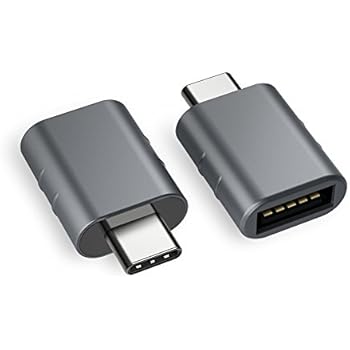
When choosing a USB-C to USB-A adapter, there are several key features to keep in mind:
- Data Transfer Speed: Look for adapters that support USB 3.0 or higher for optimal performance. USB 3.1 can offer speeds up to 10 Gbps.
- Build Quality: Opt for adapters made from durable materials, such as aluminum or reinforced plastic. This ensures longevity and resistance to wear and tear.
- Size and Portability: If you plan to travel with your adapter, choose a compact design that’s easy to carry.
- Brand Reputation: Consider purchasing from reputable brands known for quality and customer service. Look for reviews and ratings to gauge reliability.
- Warranty: A good warranty can provide peace of mind. Look for adapters that come with at least a one-year warranty.
Case Studies: Real-World Examples

To illustrate the importance of choosing the right USB-C to USB-A adapter, let’s explore a couple of case studies.
Case Study 1: The Freelancer’s Dilemma
Maria is a freelance graphic designer who relies on a USB-A external hard drive to store large files. After purchasing a new laptop with only USB-C ports, she faced a dilemma. Instead of buying a new hard drive, she opted for a high-speed USB-C to USB-A adapter. This allowed her to continue using her existing hard drive without compromising on performance. The adapter supported USB 3.1, enabling quick file transfers, which was crucial for her productivity.
Case Study 2: The Business Professional

John, a business consultant, frequently travels for work. He needed an adapter that not only connected his USB-C laptop to various USB-A devices but also allowed him to charge his laptop simultaneously. He purchased a multi-port adapter that included an HDMI output for presentations and additional USB-A ports for peripheral devices. This adapter streamlined his workflow, allowing him to connect to different devices effortlessly during meetings.
Statistics on USB Adoption
According to a report by the USB Implementers Forum, USB-C adoption has been growing rapidly:
- Over 1 billion USB-C devices were shipped worldwide in 2020, representing a significant increase from previous years.
- Forecasts suggest that by 2025, 95% of all mobile devices will use USB-C connectors.
- USB-C is expected to account for 50% of all USB connections by 2024.
These statistics underscore the importance of adapting to the USB-C standard, and having the right adapter can facilitate a smoother transition.
How to Maximize Your Tech with USB-C to USB-A Adapters

To get the most out of your USB-C to USB-A adapter, consider the following tips:
- Regular Updates: Keep your devices updated to ensure compatibility with the latest technology and data transfer standards.
- Organize Cables: Use cable organizers to keep your workspace tidy and prevent wear on cables and adapters.
- Test Your Connections: Regularly test your adapter with various devices to ensure it’s functioning properly.
- Invest in Quality: While it may be tempting to choose cheaper options, investing in a quality adapter can save you time and frustration in the long run.
Choosing the right USB-C to USB-A adapter is crucial in maximizing your tech experience. Understanding the differences between USB-C and USB-A, recognizing the various types of adapters available, and considering key features can significantly enhance your connectivity and workflow. Real-world case studies highlight the benefits of making informed decisions, while statistics demonstrate the growing prevalence of USB-C. By investing in a quality adapter and following best practices, you can bridge the gap between old and new technology, ensuring seamless operation and continued productivity in your daily tasks.
In summary, the right USB-C to USB-A adapter not only extends the life of your existing devices but also enhances your overall tech experience. As technology continues to evolve, staying informed and adaptable is key to maximizing your investment.


