Marquis de Sade’s “The 120 Days of Sodom” is often regarded as one of the most disturbing works of literature ever penned. Written in the late 18th century during a turbulent time in France, the novel showcases Sade’s radical views on freedom, morality, and human nature. This article explores the most harrowing elements of the text, offering insights into its psychological, philosophical, and historical contexts.
The Context of Creation
Before delving into the disturbing elements of “The 120 Days of Sodom,” it is essential to understand the context in which Sade wrote this controversial work. Written in 1785 while Sade was imprisoned in the Bastille, the novel reflects the author’s tumultuous life and the revolutionary ideas circulating in France at the time.
- Historical Context: The late 18th century was marked by the Enlightenment, a period that emphasized reason and individualism. Sade’s work challenges these ideals, presenting a nihilistic view of human nature.
- Personal Circumstances: Sade’s imprisonment and the societal upheaval around him influenced his writing, as he sought to explore the darker aspects of human desires and morality.
Structure and Themes

“The 120 Days of Sodom” is structured around the narratives of four wealthy libertines who retreat to a secluded castle with a group of abducted victims. The novel is divided into four parts, each focusing on different levels of depravity. The primary themes include:
- Sexual Libertinism: Sade explores extreme forms of sexual freedom, often depicting sexual acts devoid of consent.
- Power and Control: The novel illustrates how power dynamics shape human relationships, often leading to the exploitation and dehumanization of the vulnerable.
- Corruption of Innocence: The story showcases the systematic destruction of innocence, highlighting the fragility of morality.
Disturbing Elements

While many aspects of Sade’s work are shocking, certain elements stand out as particularly disturbing. These aspects invite critical reflection on human nature and societal norms.
Extreme Violence and Dehumanization
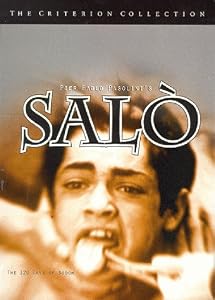
One of the most harrowing elements of “The 120 Days of Sodom” is the graphic portrayal of violence and brutality. The libertines engage in horrific acts, from torture to murder, often for their own amusement.
- Graphic Descriptions: Sade does not shy away from detailing the physical suffering of his characters, creating a visceral reading experience that can be deeply unsettling.
- Dehumanization of Victims: The victims are often stripped of their identities, referred to merely as objects or commodities for the pleasure of the libertines.
This extreme violence serves not only as a form of entertainment for the characters but also as a commentary on the capacity for cruelty within humans, forcing readers to confront the darker sides of their own nature.
Sexual Exploitation and Consent
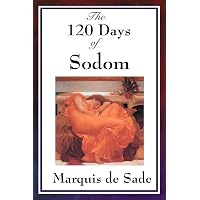
The exploration of sexual exploitation is another deeply troubling aspect of Sade’s work. Consent is a recurring theme, yet it is often absent, raising ethical questions about desire and power.
- Non-consensual Acts: Many sexual encounters in the novel are forced, illustrating a complete disregard for the autonomy of the victims.
- Fantasy vs. Reality: Sade blurs the lines between fantasy and reality, challenging the reader to consider the implications of sexual fantasies that involve power imbalance and exploitation.
These elements prompt readers to reflect on contemporary issues surrounding consent, sexual violence, and the portrayal of women in literature.
Perversion and Taboo

Sade’s works challenge societal norms and taboos, particularly regarding sexuality and morality. “The 120 Days of Sodom” pushes the boundaries of what is considered acceptable in literature.
- Exploration of Taboo Sexual Practices: Sade delves into various sexual practices that society deems taboo, such as incest, bestiality, and sadomasochism.
- Morality and Ethics: The characters often engage in moral relativism, questioning the very foundations of right and wrong, which can be disconcerting to readers.
This exploration of taboo forces readers to confront their own beliefs about morality and the limits of artistic expression.
Philosophical Underpinnings
Beyond its disturbing narrative, “The 120 Days of Sodom” is steeped in philosophical inquiry. Sade’s views on freedom, morality, and human nature provoke thought and debate.
Freedom and Autonomy
Sade’s philosophy centers around the concept of absolute freedom, where individuals can act without constraint. This idea raises critical questions about the nature of freedom:
- Absolute Freedom vs. Ethical Responsibility: Sade posits that true freedom comes with the rejection of societal norms, but at what cost?
- The Paradox of Freedom: While the libertines seek freedom, they simultaneously impose their will on others, leading to tyranny.
The Nature of Evil
In “The 120 Days of Sodom,” Sade explores the innate capacity for evil within human beings. This notion can be unsettling, as it challenges the belief in the inherent goodness of humanity.
- Innate Desires: Sade suggests that humans are driven by base desires that can lead to immoral actions.
- Corruption of Innocence: The systematic corruption of the innocent characters in the novel serves as a metaphor for the loss of morality in society.
Legacy and Impact

Despite its controversial nature, “The 120 Days of Sodom” has had a significant impact on literature, philosophy, and even psychology. It has sparked debates about censorship, morality, and the limits of artistic expression.
- Influence on Literature: Sade’s work has inspired countless authors, particularly in the genres of horror and erotic literature.
- Philosophical Discourse: Philosophers and scholars continue to study Sade’s ideas, particularly in the context of freedom and morality.
- Psychological Analysis: The novel has been analyzed through various psychological lenses, exploring the nature of sadism and masochism.
Confronting the Unthinkable
Marquis de Sade’s “The 120 Days of Sodom” remains one of the most disturbing texts in literary history, challenging readers to confront the darkest aspects of human nature. Through its graphic depictions of violence, exploitation, and philosophical inquiry, the novel invites reflection on the complexities of freedom, morality, and the human condition.
Sade’s work ultimately serves as a powerful reminder of the need to engage with uncomfortable truths about ourselves and society. By unveiling the unthinkable, “The 120 Days of Sodom” not only pushes the boundaries of literature but also compels us to interrogate our own beliefs and values in a world where the line between good and evil often blurs.