Alginate molding powder is a versatile material widely used in various industries, including art, medicine, and manufacturing. As a natural polysaccharide derived from brown seaweed, alginate is renowned for its excellent molding properties and ease of use. This article will explore the properties, applications, and techniques for working with alginate molding powder, providing a step-by-step guide for beginners and seasoned users alike.
Understanding Alginate Molding Powder
Alginate is a biodegradable, non-toxic, and hypoallergenic material, making it a preferred choice in many applications. Here, we will discuss its key properties and advantages.
Properties of Alginate
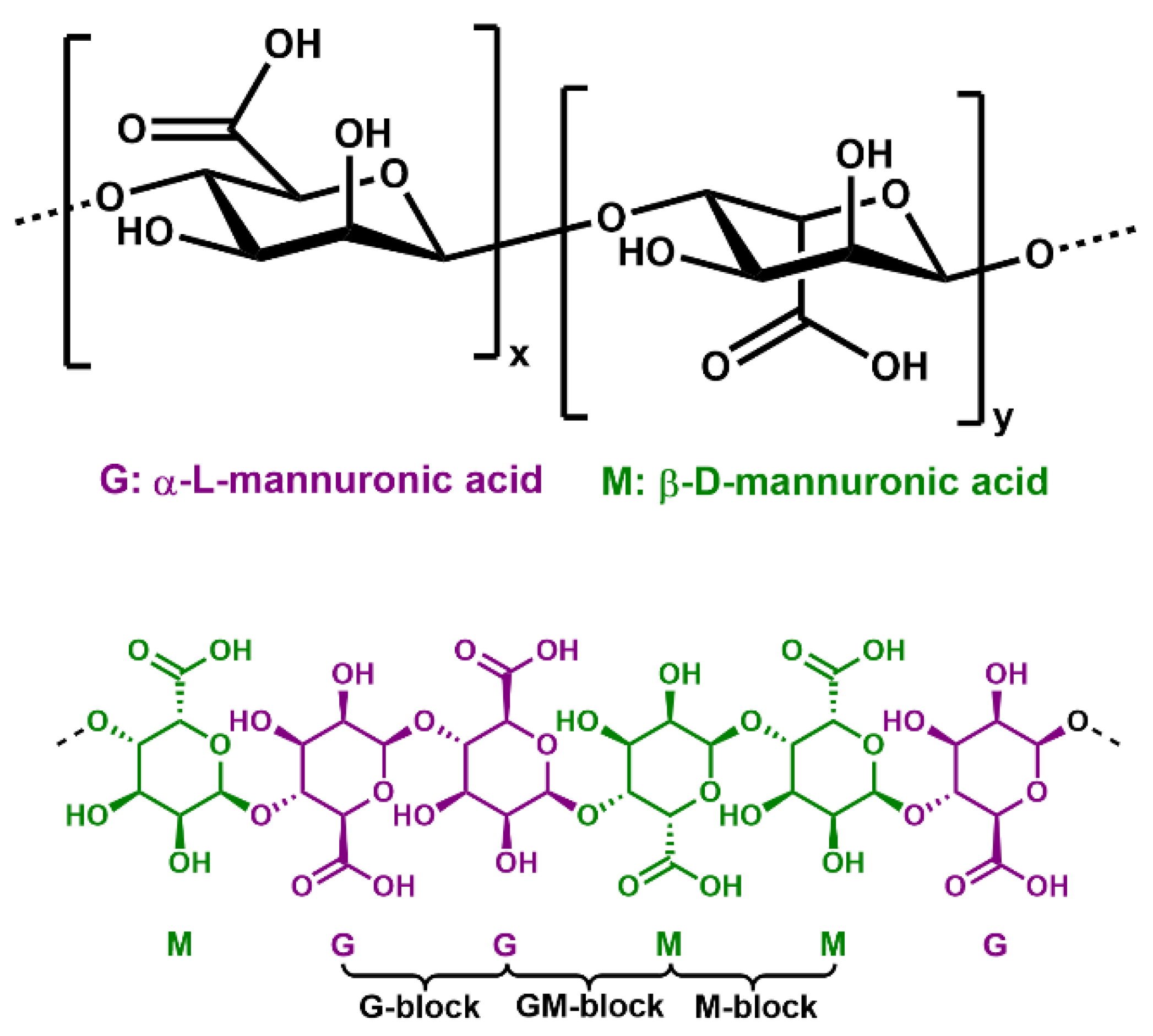
- Hydrophilic Nature: Alginate absorbs water and forms a gel when mixed with it, making it ideal for creating molds.
- Fast Setting Time: Alginate typically sets within 2 to 5 minutes, allowing for quick mold creation.
- Flexible and Resilient: Finished molds can withstand some degree of deformation, making them suitable for various casting materials.
- Non-Toxic: Being derived from seaweed, alginate is safe for use in both artistic and medical applications.
Applications of Alginate Molding Powder

Alginate molding powder is used in a variety of fields, each benefiting from its unique properties. Here are some notable applications:
Art and Sculpture

Artists often use alginate to create lifecasts, capturing intricate details of the human form. For instance, a sculptor may use alginate to create a mold of a hand or face, which can later be filled with plaster or resin to produce a replica. The flexibility of alginate allows for easy removal of the cast without damaging the original mold.
Medical and Dental Uses
In the medical field, alginate is widely used for making impressions of teeth and gums. Dental professionals favor alginate due to its ability to capture fine details, providing accurate molds for dental prosthetics. Alginate’s biocompatibility also makes it safe for use in medical applications.
Food Industry
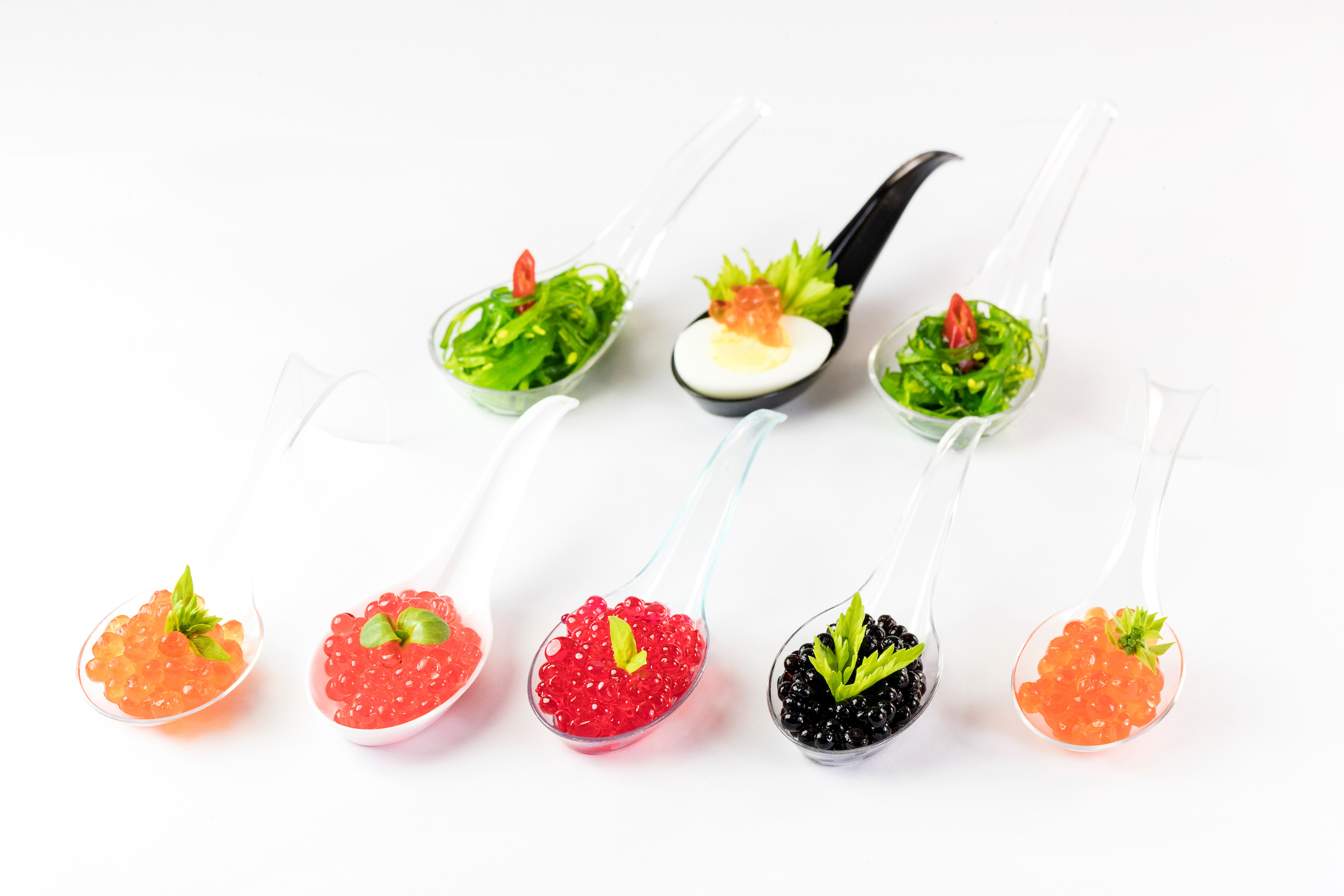
Alginate is utilized in the food industry for spherification, a process that creates caviar-like beads of flavor. This technique is popular in molecular gastronomy, allowing chefs to present flavors in innovative ways.
How to Work with Alginate Molding Powder

Creating molds with alginate is a straightforward process, but there are essential steps and tips to ensure successful results. Here’s a step-by-step guide.
Materials Needed
- Alginate molding powder
- Water
- Mixing container
- Stirring tool (e.g., spatula or stick)
- Object to mold
- Release agent (optional, depending on the object)
- Casting material (e.g., plaster, resin)
Step-by-Step Instructions
1. Prepare the Object
Before starting, ensure that the object you wish to mold is clean and dry. If the object is porous or delicate, applying a release agent (like petroleum jelly) can help ease the removal of the mold later.
2. Mix the Alginate
To prepare the alginate mixture, follow these ratios:
- 1 part alginate to 1-2 parts water (depending on the desired consistency)
Measure the alginate powder and water accurately, then mix them in a container. Stir the mixture thoroughly to eliminate lumps. The consistency should be smooth and free of bubbles.
3. Pour and Mold
Once mixed, quickly pour the alginate over the object you wish to mold. Ensure that the object is fully submerged. Tap gently to release any trapped air bubbles, which can impair the mold’s detail.
4. Allow It to Set
Let the alginate set for 2 to 5 minutes. The exact time may vary based on the specific brand and environmental conditions. Once set, the alginate will feel firm but still flexible.
5. Remove the Mold
Carefully peel the alginate away from the object. If you used a release agent, the process should be straightforward. Handle the mold gently to avoid tearing.
6. Cast Your Object
To create a cast, prepare your chosen casting material (e.g., plaster or resin) and pour it into the alginate mold. Allow it to cure as per the material’s instructions, and then remove it from the alginate mold. The alginate mold can typically be used for a limited number of casts before it begins to degrade.
Case Studies: Successful Uses of Alginate Molding
To illustrate the effectiveness of alginate molding powder, here are some case studies:
1. Dental Impressions
A dental clinic in California integrated alginate molding into its practice, significantly improving the accuracy of dental impressions. By using alginate, the clinic reported a 30% reduction in adjustment appointments for crowns and bridges, enhancing patient satisfaction.
2. Art Installations
A sculptor used alginate to create a series of lifecasts for an art installation titled “Human Connections.” The artist praised alginate for its ability to capture delicate details, which helped convey the emotional depth of the subjects. The installation received critical acclaim and increased public interest in contemporary sculpture.
Tips for Working with Alginate
Working with alginate can be an enjoyable and rewarding experience. Here are some tips to enhance your molding process:
- Temperature Matters: Alginate sets faster in warmer temperatures. If working in a hot environment, consider using cooler water to extend working time.
- Practice Makes Perfect: Don’t hesitate to practice with scrap materials before working on more valuable objects.
- Store Properly: Keep unused alginate powder in a cool, dry place to prolong its shelf life.
- Be Mindful of Time: Alginate mixes can have a limited working time. Prepare everything in advance to avoid rushing.
Alginate molding powder is a remarkable material that opens up a world of creative possibilities across various fields. Its unique properties, such as fast setting time and flexibility, make it an excellent choice for artists, dental professionals, and food innovators alike. By understanding how to work with alginate effectively, users can create detailed molds and casts that meet their specific needs. As demonstrated through case studies, alginate has proven to be a game-changer in both artistic and medical applications.
Whether you are an artist aiming to capture the human form or a dental professional seeking precision in impressions, alginate molding powder can enhance your work. Following the outlined techniques and tips will help ensure successful outcomes, allowing you to explore the full potential of this versatile material.